
 Facebook
 X
X
 Pinterest
 Copy Link
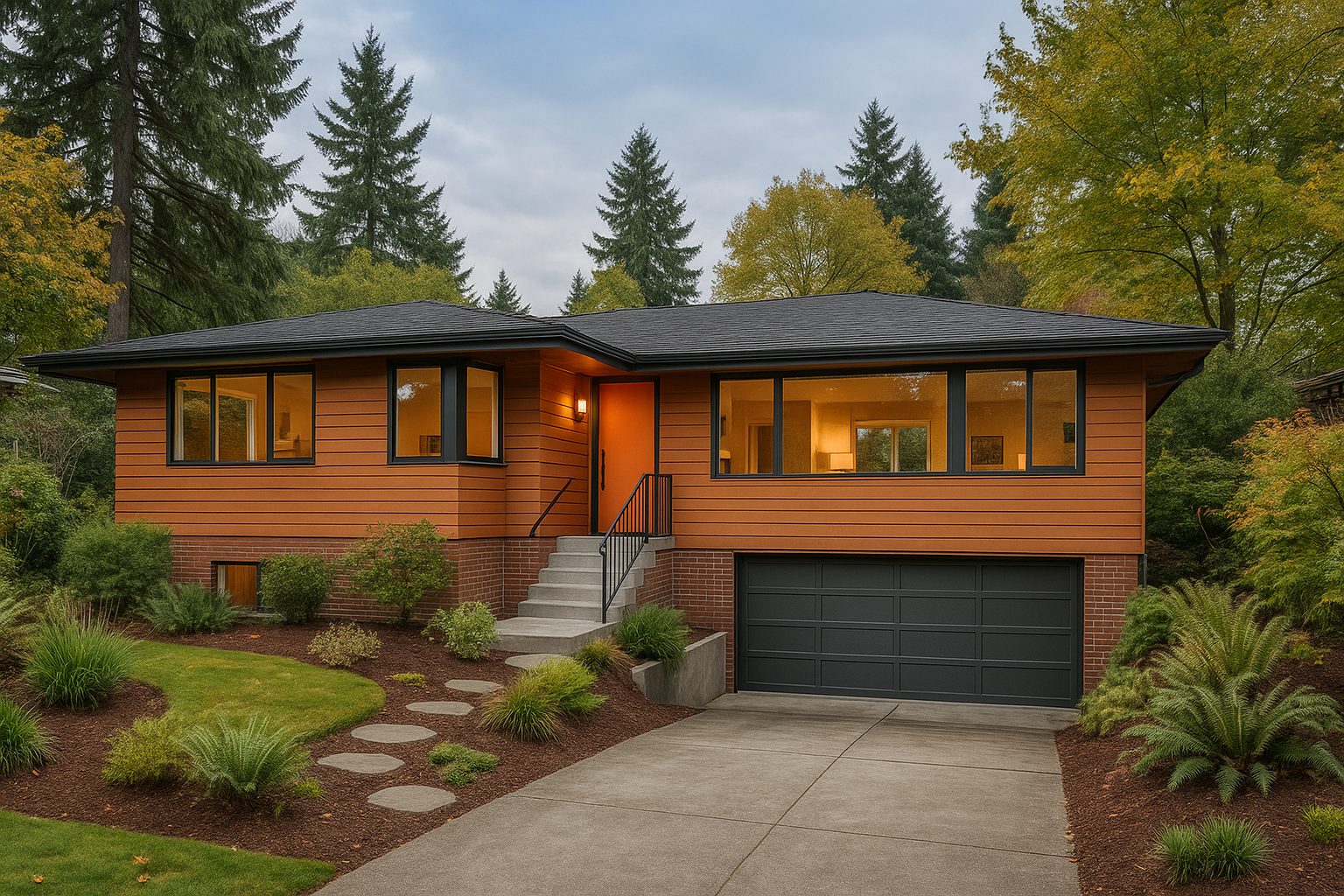
How to Choose the Right Listing Price for Your Seattle Home in Today’s Market
Pricing your home correctly is the single most important part of a successful sale. In Seattle’s fast-moving market, a well-priced home attracts more buyers, creates stronger offers, and shortens time on market. An overpriced home, however sits, and ultimately sells for less.
Here’s how to choose the right listing price in 2026 (and how to avoid the biggest pricing mistakes).
Why Your Pricing Strategy Matters More Than Ever
Seattle buyers are savvy. They have access to detailed listing histories, comparable sales, and automated alerts. If a home is priced correctly, buyers recognize it immediately.
Correct pricing leads to:
✔ More showings
✔ More buyer competition
✔ Higher final sale prices
✔ Faster timelines
✔ Better negotiating power
Mis-pricing leads to the opposite.
How to Price Your Seattle Home Correctly
1. Start With the Right Comparable Sales
These should match your home in:
- neighborhood
- size
- style
- age
- condition
- updates
- lot usability
Picking the wrong comps is the biggest source of pricing errors.
2. Understand How Buyers Search by Price Brackets
Seattle buyers typically search in bands like:
$700k–$750k
$750k–$800k
$1M–$1.1M
Listing just above a major threshold can reduce your exposure.
Example:
$805,000 may get fewer eyes than $799,950.
3. Consider Inventory and Buyer Demand
Low inventory = higher pricing power
High inventory = strategic pricing required
Each neighborhood behaves differently.
Ballard ≠ Shoreline ≠ Edmonds.
4. Price Based on Condition (Not Aspirations)
Buyers reward updates.
They penalize deferred maintenance.
If your home is:
- recently updated → price confidently
- partially updated → adjust strategically
- in original condition → price to match buyer expectations
5. Avoid Overpricing — It Backfires Every Time
Overpricing leads to:
- fewer showings
- stale days on market
- lower final sale price
- price reductions that harm momentum
Correct pricing creates urgency.
Overpricing creates hesitation.
6. Use Pricing Scenarios to Compare Risk vs Reward
When I prepare a valuation, I include 2–3 recommended pricing paths:
- Aggressive/competitive (creates urgency)
- Market-value (balanced strategy)
- Aspirational (requires flawless presentation + strong market)
Your goals dictate which strategy is best.
Need Help Choosing the Right List Price?
Your pricing strategy should be intentional—not a guess.
I provide every seller with a detailed pricing analysis including comps, scenarios, buyer demand, market timing, and a clear recommendation for your goals.
Request Your Personalized Pricing Strategy
✔ 3 pricing scenarios
✔ Neighborhood-specific data
✔ Buyer demand forecasts
✔ Prep recommendations based on condition
✔ Timeline planning

